

A quick search for MMA gyms near you will probably return a dozen options within a few miles. Most look similar online: gloves, mats, a “free class” banner. The real differences show up in the coaching, the culture, and how the gym treats someone on day one.
This guide shows you how to find MMA training near you, compare gyms fairly, and walk into your first class prepared.
What Does an MMA Gym Actually Teach?
Short answer: A mixed martial arts gym teaches striking, grappling, and the transitions between them, usually through separate classes in each discipline plus an MMA class that blends them.
Most programs draw from these core arts:
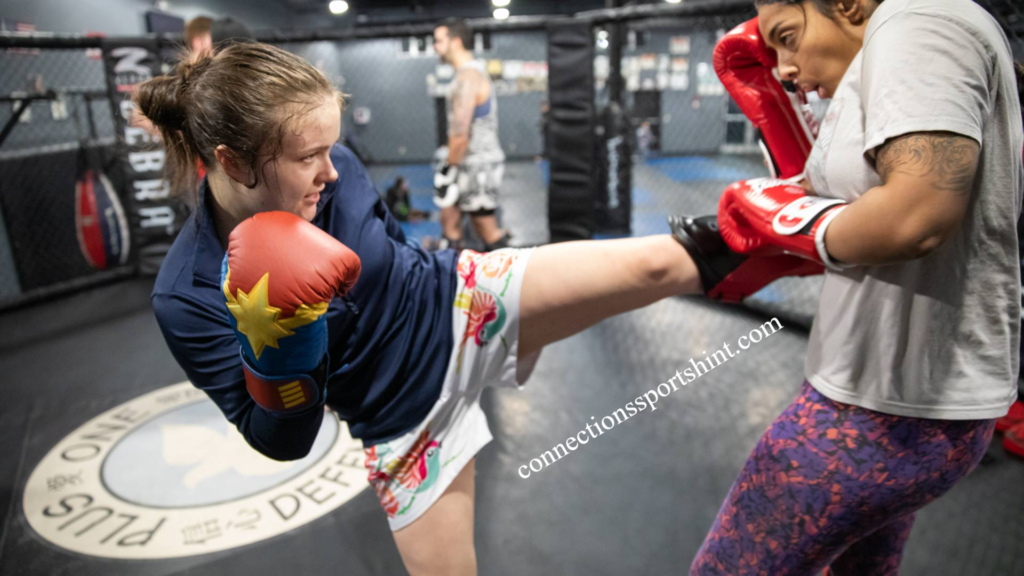
- Boxing and kickboxing: punches, footwork, defense, and kicks. A kickboxing gym usually focuses on punches and kicks only.
- Muay Thai: Thailand’s “art of eight limbs,” adding elbows, knees, and the clinch.
- Wrestling: takedowns, takedown defense, and controlling an opponent against the mat or cage.
- Brazilian Jiu-Jitsu (BJJ): ground grappling, positional control, and submissions.
A strong gym lets you train these separately and then combine them. That structure is also why a good MMA gym works for people who never plan to fight, since the skills build on each other gradually.
Is MMA the Same as UFC?
Short answer: No. MMA is the sport. The UFC (Ultimate Fighting Championship) is the most famous organization that promotes MMA events, with its first event held in 1993.
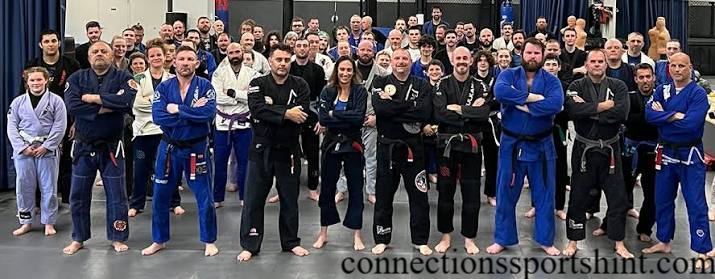
When someone searches for a “UFC training gym,” they usually mean a gym that trains professional fighters or uses a similar curriculum. Being UFC-affiliated or having a fighter on the roster doesn’t guarantee good beginner instruction, so judge the coaching rather than the name on the wall.
Are MMA Gyms Suitable for Beginners?
Short answer: Yes, and you don’t need previous experience. Reputable gyms run fundamentals or beginner classes that introduce basic techniques before any live sparring.
Look for these signs of a beginner-friendly gym:
- A dedicated fundamentals or intro class on the schedule
- Coaches who explain techniques instead of just demonstrating them
- Drilling and light partner work before any hard sparring
- Existing members who welcome new people and train with control
If a gym expects you to spar hard in week one, that is a warning sign, not a toughness test.
How to Find MMA Training Near You
Start with a map search, but don’t stop at the star rating. Here is a more reliable process:
- Search by discipline too. Try “Jiu Jitsu near me” or “Muay Thai near me” alongside the general search, since some of the best coaches run specialized academies.
- Read reviews for specifics. Comments about beginner treatment, injuries, and coaching quality matter more than “great vibes.”
- Check the class schedule online. Make sure beginner classes run at times you can actually attend. A gym with great coaching you can only reach twice a month won’t help.
- Look at the gym’s social media. Recent posts show who trains there, how classes look, and whether the gym is active.
- Shortlist two or three gyms and visit each. No website replaces watching a class in person.
How Do You Identify a Qualified MMA Coach?
Short answer: Look for verifiable experience in the discipline they teach, a track record of student progress, and a teaching style that prioritizes safety.
Unlike some professions, martial arts coaching has no single national license in the US. That means you need to do some checking:
- BJJ: Ask about the coach’s belt rank and who awarded it. Black belts are earned over many years, and the lineage is usually easy to trace.
- Muay Thai, boxing, wrestling: Ask about competitive background, coaching history, and any certifications.
- General coaching quality: Watch whether they correct individual students, adjust drills for different skill levels, and stop unsafe rounds.
Competitive success as a fighter and the ability to teach beginners are different skills. Some of the best fighters are poor instructors, and the reverse is also true. limixedmartialarts.com
How to Find a Safe MMA Training Facility
Combat sports always carry some injury risk, but good gyms reduce it significantly. During your visit, check:
- Mat condition: clean, intact, and free of gaps or torn sections
- Hygiene: visible cleaning routines matter, because skin infections like ringworm and staph spread easily on mats
- Sparring rules: clear levels of intensity, protective gear requirements, and coaches supervising rounds
- Culture: members tapping early, partners looking out for each other, and no ego-driven “beat the new guy” behavior
What Are the Red Flags When Choosing an MMA Gym?
Walk away, or at least think twice, if you see:
- Pressure to sign a long contract before you’ve trained
- Reluctance to let you watch or try a class
- Vague answers about coaching credentials
- Hard sparring pushed on beginners
- Dirty mats or locker areas
- Constant upselling of private lessons or gear packages
- Members who regularly leave injured and coaches who shrug it off
How Much Does an MMA Gym Membership Cost?
Short answer: Prices vary widely by city and gym, but many US gyms charge roughly in the range of one to two hundred dollars a month for unlimited classes. Always confirm current pricing directly with the gym.
I’m giving a range rather than an exact figure because pricing depends on location, facility quality, and coaching level, and no single national source tracks it reliably. Here’s what affects what you’ll pay:
| Factor | How it affects price |
|---|---|
| Location | Big-city gyms usually cost more than smaller markets |
| Class access | Unlimited access costs more than a limited number of classes |
| Contract length | Month-to-month often costs more per month than annual plans |
| Add-ons | Private coaching, kids programs, and competition teams are often separate |
| Registration fees | Some gyms charge a one-time sign-up or equipment fee |
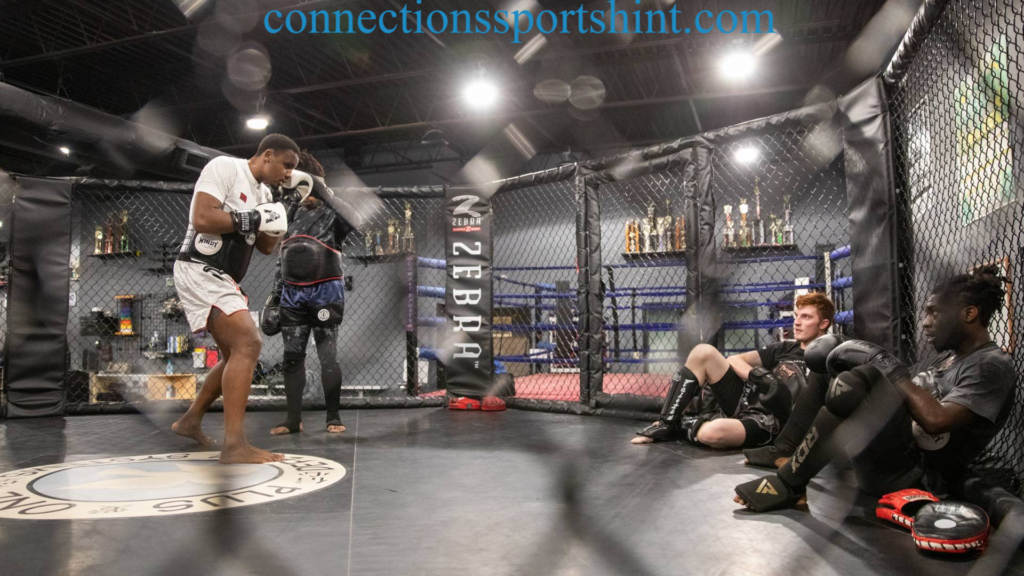
What does a membership usually include? Typically access to scheduled classes, open mat time at some gyms, and use of shared mats and training equipment like heavy bags and pads. Gloves, shin guards, and a gi (the traditional BJJ uniform) are often your own purchase. Ask for a written list of what is and isn’t included.
Do MMA Gyms Offer Free Trial Classes?
Short answer: Many do, though policies differ. Some offer a free class, some a discounted first week, and some a paid introductory package.
Take full advantage. Use your trial to watch how coaches handle newcomers, how the room feels, and whether you’d look forward to coming back. If you’re comparing gyms, try at least two before committing.
What Should You Bring to Your First MMA Class?
Keep it simple:
- Athletic shorts without zippers or pockets, and a t-shirt or rash guard
- A water bottle
- A towel
- Flip-flops for off-mat walking, since you shouldn’t walk on mats in street shoes
- Trimmed fingernails and toenails
The gym will usually provide loaner gloves or tell you what to buy later. Don’t buy a full kit before your first class.
What equipment will you need long term? Common purchases include boxing or MMA gloves, a mouthguard, shin guards for Muay Thai or kickboxing, and a gi for BJJ. Buy gear gradually and ask your coach for sizing and brand suggestions.
Which Martial Arts Should Beginners Learn First?
Short answer: There’s no single right answer, but a balanced start is boxing or Muay Thai for striking and BJJ or wrestling for grappling.
Here’s how the options compare:
- BJJ: low-impact on the body in early classes, strong for self-defense fundamentals, and great for problem-solving
- Muay Thai: high-energy, effective striking, and a good cardio workout
- Boxing: simplest striking foundation, with a focus on timing and defense
- Wrestling: builds takedown ability and physical control, though it’s demanding on the body
If you’re training for MMA itself, you’ll eventually want both striking and grappling. But starting with whichever you’re most likely to enjoy keeps you consistent.
How Many Days a Week Should Beginners Train?
Short answer: Two to three sessions a week is a sensible starting point for most beginners.
That frequency builds skill and conditioning while leaving recovery time. Training more often can work if your body adapts well, but beginners who go too hard too fast tend to get injured or burn out.
Is MMA Training Good for Fitness and Self-Defense?
For fitness: Yes. Classes combine cardio, strength, flexibility, and coordination, and most people find the variety easier to stick with than a standard gym routine.
For self-defense: It’s useful, with caveats. Learning to strike, defend, and control someone on the ground builds real confidence and skill. But dedicated self-defense classes also cover awareness, de-escalation, and avoiding conflict, which sport training doesn’t always emphasize. The best approach is to combine live training with those principles.
How to Compare MMA Gyms in Your Area
Score each gym on the same factors so your decision isn’t driven by a single good impression:
- Coaching quality and credentials
- Beginner program and class schedule
- Safety and cleanliness
- Total cost, including fees and gear
- Atmosphere and member friendliness
- Distance and convenience
Consistency beats intensity in martial arts. The gym you can reach and enjoy for years will outperform a “better” one you rarely attend.
Frequently Asked Questions
What are the best MMA gyms near me?
The best gym is the one with qualified coaches, a clear beginner path, clean facilities, and a schedule that fits your life. Compare two or three gyms in person, take trial classes, and judge the coaching rather than the marketing.
Are there good boxing gyms near me?
Probably yes. Search for boxing gyms and general combat sports gyms in your area, since many MMA gyms also run boxing classes. Check that classes include proper technique instruction, not only conditioning.
How do I find Jiu Jitsu near me?
Search for “Brazilian Jiu-Jitsu” or “BJJ” along with your city, then verify the instructor’s belt rank and lineage. Ask whether classes are gi, no-gi, or both, and look for a beginner or fundamentals class.
Where can I find Muay Thai near me?
Search for Muay Thai gyms and check whether coaches have competition or training backgrounds in the art. Many kickboxing and MMA gyms also offer Muay Thai classes, so check their schedules.
What is the best kickboxing gym near me?
Look for a kickboxing gym with structured beginner classes, coaches who correct technique, and controlled partner drills. Kickboxing focuses on punches and kicks, while Muay Thai adds elbows, knees, and clinch work.
How do I choose a martial arts gym near me?
Decide your goal first (fitness, self-defense, competition, or fun), then choose the discipline that fits it. Visit a few gyms, watch a class, and compare coaching, safety, cost, and atmosphere.
What is the Crazy 88 MMA schedule?
I couldn’t verify a current class schedule for Crazy 88 MMA, and schedules change often. Check the gym’s official website or contact it directly for current class times, including beginner sessions.
How much does Crazy 88 MMA cost?
I couldn’t verify current membership pricing for Crazy 88 MMA, and rates can change. Contact the gym directly or check its website for current prices, trial offers, and any registration fees.
Author Bio: Hamid Ali is a sports and fitness writer covering mixed martial arts, combat sports, training techniques, and gym selection. He creates practical, research-based guides to help beginners choose the right training programs, improve fitness, and build confidence in martial arts.
Author name: Hamid Ali
Email: johanharwen314@gmail.com
Also Read: