Introduction
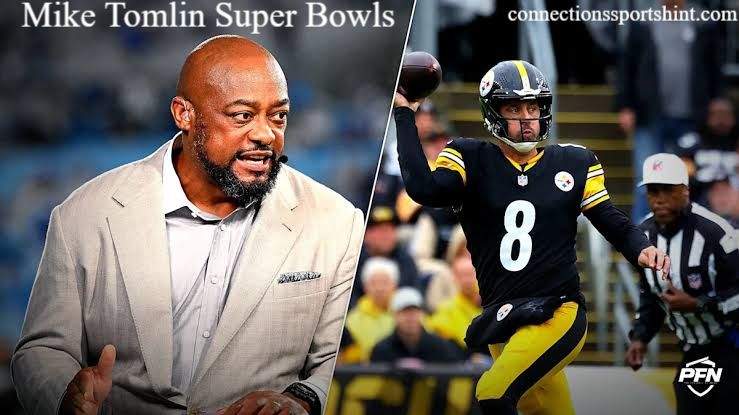
Mike Tomlin Super Bowls is one of the most recognizable coaches in modern NFL history, largely because of his leadership of the Pittsburgh Steelers and his success on football’s biggest stage. His Super Bowl record includes two appearances, one championship victory, and one defeat. These games helped establish his reputation as a young, confident leader capable of guiding an established franchise through the pressure of postseason competition.
Understanding Mike Tomlin Super Bowls requires looking beyond the final scores. His first appearance ended with a dramatic victory over the Arizona Cardinals, while his second brought a difficult loss against the Green Bay Packers. Together, these games tell an important story about his early coaching success, the Steelers’ championship ambitions, and the standards expected of a head coach in Pittsburgh.
How Many Super Bowls Has Mike Tomlin Been In?
Mike Tomlin reached the Super Bowl twice as the head coach of the Pittsburgh Steelers. His first appearance came after the 2008 NFL season, when Pittsburgh defeated the Arizona Cardinals in Super Bowl XLIII. Two seasons later, the Steelers returned to the championship game but lost to the Green Bay Packers in Super Bowl XLV. His record across those two appearances is one win and one loss.
These results demonstrate that Tomlin successfully led Pittsburgh to the NFL’s biggest game on two occasions during his early years with the organization. Winning a championship requires strong preparation, effective coaching decisions, and outstanding performances from players across the roster. Although reaching the Super Bowl is difficult, winning it is an even greater challenge because one mistake or one decisive play can change the outcome of the entire season.

Mike Tomlin’s Super Bowl Record at a Glance
Tomlin’s championship history can be summarized through his two appearances. Super Bowl XLIII delivered a memorable Steelers victory, while Super Bowl XLV ended with Pittsburgh falling short against Green Bay. The following table presents the dates, opponents, and final scores of both games, offering a straightforward overview of his performance as a head coach on the NFL’s biggest stage.
| Super Bowl | Date | Opponent | Final score | Result |
|---|---|---|---|---|
| Super Bowl XLIII | February 1, 2009 | Arizona Cardinals | Steelers 27–23 | Win |
| Super Bowl XLV | February 6, 2011 | Green Bay Packers | Steelers 25–31 | Loss |
The record highlights both the achievement and the disappointment associated with championship football. Tomlin’s Steelers won their first appearance under his leadership, proving they could finish a successful season with a title. Their second appearance showed how difficult it can be to repeat that success against another elite team. A one-win, one-loss Super Bowl record captures the outcomes accurately without overlooking the significance of reaching the championship game twice.
Super Bowl XLIII: Mike Tomlin’s Championship Victory
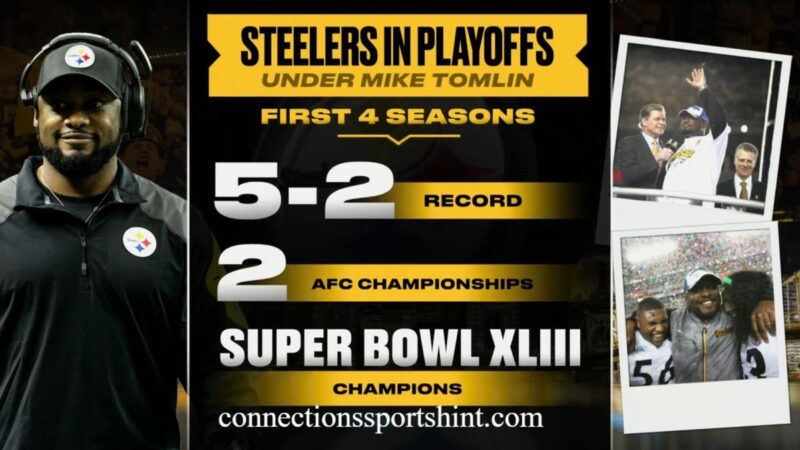
Super Bowl XLIII took place on February 1, 2009, when the Pittsburgh Steelers faced the Arizona Cardinals. Pittsburgh won 27–23 in a closely contested game that featured momentum shifts and a dramatic finish. The victory gave Tomlin his first Super Bowl championship as a head coach and rewarded the team for a season that ended with the franchise reaching the top of professional football.
One of the game’s defining moments came when Steelers linebacker James Harrison returned an interception for a touchdown just before halftime. Later, quarterback Ben Roethlisberger connected with wide receiver Santonio Holmes for the go-ahead touchdown in the fourth quarter. Holmes’ late reception became one of the most memorable plays in Super Bowl history, helping Pittsburgh secure the narrow victory over Arizona.
Tomlin’s achievement was especially notable because he was only 36 years old when he won the championship. At that time, he became the youngest head coach to win a Super Bowl, a milestone that strengthened his reputation as a rising figure in the NFL. His championship season demonstrated that a relatively young coach could manage a veteran roster, navigate postseason pressure, and guide a historic franchise to another title.
Super Bowl XLV: The Steelers’ Loss to Green Bay
Two seasons later, Pittsburgh returned to the Super Bowl for a matchup against the Green Bay Packers on February 6, 2011. Super Bowl XLV ended with a 31–25 Green Bay victory. Although the Steelers remained competitive throughout the contest, turnovers and missed opportunities made it difficult for them to overcome the Packers’ advantage.
Green Bay quarterback Aaron Rodgers delivered a strong performance and was named the game’s Most Valuable Player. The Packers built their lead through effective passing and timely scoring, while Pittsburgh attempted to respond with its own offensive drives. The Steelers stayed within reach, but the final score left Tomlin with his first Super Bowl defeat as a head coach.
The loss did not erase the importance of Pittsburgh’s return to the championship game. Reaching two Super Bowls within three seasons reflected the team’s competitive quality and its ability to contend for a title. At the same time, the result illustrated the fine margins that separate championship success from disappointment. Even experienced coaches must adapt to an opponent’s strategy, limit costly mistakes, and make decisive adjustments under intense pressure.
Mike Tomlin’s Coaching Strategy in the Super Bowl
Tomlin’s approach to championship games reflects the importance of preparation, discipline, and trust in experienced players. Super Bowl XLIII required Pittsburgh to respond to Arizona’s offensive production and execute critical plays at key moments. The Steelers’ defense created a major turning point with Harrison’s interception return, while the offense delivered the decisive touchdown late in the game. These contributions show how coordinated team performance can determine a championship.
Super Bowl XLV presented a different challenge because Green Bay created pressure through its passing attack and capitalized on Pittsburgh’s mistakes. The Steelers continued to fight, but the Packers maintained enough control to protect their lead. Comparing the two games highlights an important lesson about championship football: successful preparation creates opportunities, but execution, turnovers, and adjustments ultimately influence the result.
Mike Tomlin’s Overall Playoff Record and Achievements
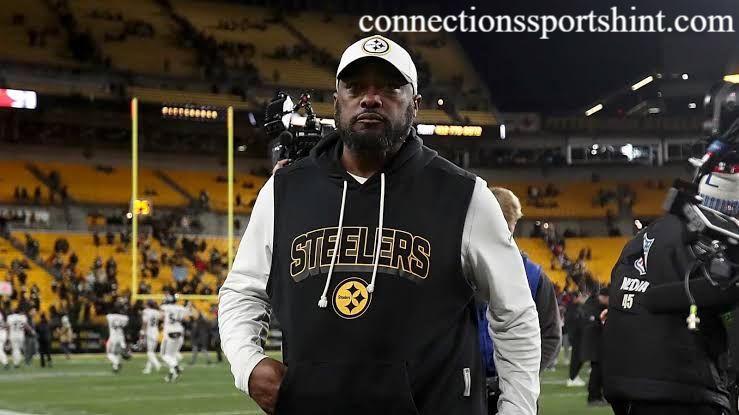
Tomlin’s postseason history extends well beyond his two Super Bowl appearances. During his tenure with Pittsburgh, he guided the Steelers to multiple playoff appearances, division titles, and AFC Championship Games. His teams regularly competed for postseason qualification, giving his coaching career significance even in seasons that did not end with a championship. Evaluating his complete record therefore requires examining both his Super Bowl performances and his broader postseason results.
His career is also associated with an impressive run of consecutive non-losing regular seasons. That consistency became an important part of his reputation in Pittsburgh because maintaining competitive results over many years is difficult in a league designed to promote parity. While playoff outcomes remain important when evaluating a coach, regular-season consistency also reflects roster management, preparation, and the ability to keep teams competitive across changing circumstances.
Key achievements associated with Tomlin’s Steelers tenure include:
- Winning Super Bowl XLIII after the 2008 season.
- Reaching Super Bowl XLV after the 2010 season.
- Leading Pittsburgh to multiple AFC North division titles.
- Guiding the Steelers to repeated playoff appearances.
- Establishing a long run of consecutive non-losing regular seasons.
These accomplishments provide a broader perspective on his coaching legacy. Super Bowl victories receive the greatest attention, but a coach’s impact also depends on sustained competitiveness, player development, leadership, and the ability to manage expectations within a demanding professional organization.
How Mike Tomlin’s Super Bowl Legacy Compares With Other Coaches
Comparisons between NFL head coaches often focus on championship totals, playoff records, longevity, and consistency. Tomlin’s one Super Bowl victory places him among the coaches who have reached the sport’s highest level, while his second appearance demonstrates that Pittsburgh remained capable of competing for another title. However, championship totals alone cannot fully measure a coach’s influence or explain the different challenges faced by each franchise.
Some coaches have won several Super Bowls, while others have built respected careers through consistent winning seasons and repeated postseason qualification. Tomlin’s legacy includes both a championship victory and a sustained period of competitiveness with Pittsburgh. A fair comparison should therefore consider the quality of each team’s roster, the strength of its opponents, the length of a coach’s tenure, and performance during both regular seasons and playoffs.
Conclusion
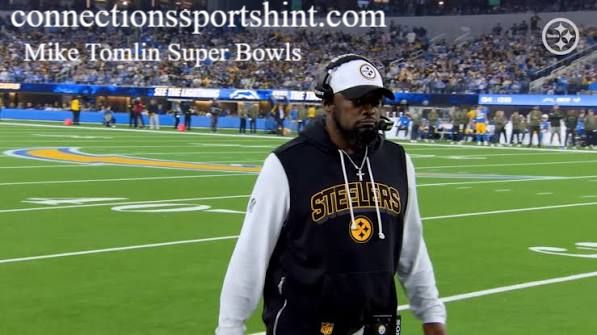
Mike Tomlin reached two Super Bowls as head coach of the Pittsburgh Steelers, finishing with one victory and one defeat. His championship came in Super Bowl XLIII, when Pittsburgh defeated the Arizona Cardinals 27–23 on February 1, 2009. Two years later, the Steelers lost 31–25 to the Green Bay Packers in Super Bowl XLV. These games remain important milestones in his NFL coaching career.
The story of Mike Tomlin’s Super Bowls demonstrates both the rewards of championship success and the challenges of returning to the top. His victory against Arizona established him as a Super Bowl-winning coach at a young age, while the loss to Green Bay illustrated how small details can shape football history. Considered alongside his postseason appearances and long record of competitive regular seasons, these championship games form an essential part of his legacy.
Frequently Asked Questions About Mike Tomlin’s Super Bowls
How many Super Bowls has Mike Tomlin won?
Mike Tomlin won one Super Bowl as head coach of the Pittsburgh Steelers, defeating the Arizona Cardinals in Super Bowl XLIII.
How many Super Bowls has Mike Tomlin appeared in?
He appeared in two Super Bowls, winning Super Bowl XLIII and losing Super Bowl XLV.
Did Mike Tomlin win a Super Bowl with the Steelers?
Yes, he led Pittsburgh to a 27–23 victory over Arizona in Super Bowl XLIII on February 1, 2009.
Who did Mike Tomlin beat in his Super Bowl victory?
The Pittsburgh Steelers defeated the Arizona Cardinals by four points in Super Bowl XLIII.
Who did Mike Tomlin lose to in the Super Bowl?
His Steelers lost 31–25 to the Green Bay Packers in Super Bowl XLV on February 6, 2011.
How old was Mike Tomlin when he won his first Super Bowl?
Tomlin was 36 years old when Pittsburgh won Super Bowl XLIII, making him the youngest head coach to win a Super Bowl at that time.
Who was the MVP of Super Bowl XLIII?
Steelers wide receiver Santonio Holmes was named MVP after making the decisive late touchdown catch against Arizona.
What is Mike Tomlin’s Super Bowl record?
His Super Bowl record as Pittsburgh’s head coach is one win and one loss across two appearances.
Also Read