

Introduction
Basketball fans rely on player statistics to understand more than just the final score. Points, rebounds, assists, shooting percentages, and defensive contributions reveal which players influenced the game and how teams performed under pressure. The Detroit Pistons vs Cleveland Cavaliers match player stats provide a useful way to evaluate individual performances, compare team strengths, and identify the moments that can change a competitive NBA matchup.
This article focuses on the statistics, performance trends, and game analysis that readers should examine when reviewing a Pistons-Cavaliers contest. The supplied box score in the accompanying information, however, covers Detroit’s March 10, 2026, game against the Brooklyn Nets, which the Pistons won 138–100. Those figures cannot be presented as Cavaliers matchup statistics. The analysis below therefore distinguishes the supplied Pistons-Nets results from the information needed for an accurate Detroit-Cleveland breakdown.
Detroit Pistons vs Cleveland Cavaliers Match Overview
A complete matchup overview should begin with the game date, arena, final score, and quarter-by-quarter results. These details establish the context for the player statistics and help readers understand whether a team controlled the game from the opening minutes or built its advantage gradually. The official NBA box score is the best starting point for confirming the correct contest before reporting individual performances.
The March 10, 2026, result supplied here belongs to Detroit’s matchup against Brooklyn, not Cleveland. Detroit defeated the Nets 138–100 at Barclays Center, demonstrating a strong offensive performance in that particular game. Readers researching the Cavaliers matchup should verify its own final score and game date rather than transferring results from another opponent. Keeping each game’s information separate makes the article more trustworthy and useful.
Detroit Pistons vs Cleveland Cavaliers Match Player Stats
The most useful player statistics include points, rebounds, assists, steals, blocks, turnovers, minutes played, and shooting efficiency. These numbers explain how individual players contributed on offense and defense. A high point total can indicate scoring success, while assists and rebounds show how players helped teammates and created additional possessions. Shooting percentages add important context by showing how effectively players converted their attempts.
For an accurate Detroit Pistons vs Cleveland Cavaliers match player stats table, writers should use the official box score for the specific Cleveland game being covered. The table should list Detroit and Cleveland players separately, with columns for minutes, points, rebounds, assists, field goals, three-pointers, and free throws. If steals, blocks, or turnovers are available, including them will provide a more complete picture of individual performance without relying on assumptions or unrelated game data.
Detroit Pistons Player Performance Analysis
Detroit’s player analysis should identify the leading scorer, the most productive playmaker, and the players who contributed most on the boards. The team’s offensive performance can be assessed through field-goal percentage, three-point accuracy, free-throw conversion, and shot selection. Comparing these figures with each player’s minutes also helps readers understand whether a strong statistical line came during an extended role or a shorter, efficient appearance.
The supplied March 10 game against Brooklyn offers an example of how these details work together. Jalen Duren scored 26 points in 23 minutes, shooting 9-of-10 from the field and 8-of-10 at the free-throw line. Cade Cunningham added 21 points and 15 assists in 26 minutes, making 8 of 10 field-goal attempts and 4 of 5 three-pointers. These figures describe the Nets game only; Detroit’s performance against Cleveland must be evaluated using its own verified box score.
Cleveland Cavaliers Player Performance Analysis
Cleveland’s analysis should follow the same statistical approach to make the comparison fair. Start with the team’s leading scorer, then examine the contributions of its primary ball handlers, rebounders, perimeter shooters, and defensive players. A player who records fewer points may still have a significant influence through assists, offensive rebounds, blocks, or disciplined defense. Looking beyond scoring helps readers understand the team’s overall performance.
Shooting efficiency and possession management are especially useful when assessing the Cavaliers. Field-goal percentage measures overall conversion, while three-point and free-throw percentages reveal performance from different scoring areas. Turnovers can show where offensive possessions were lost, and assists help explain how effectively players created opportunities for teammates. The final analysis should connect these statistics to the actual game result instead of assuming that season averages or performances against other opponents represent the Cleveland matchup.
Pistons vs Cavaliers Team Stats Comparison
A team comparison makes it easier to identify the statistical categories that shaped a game. Total points explain the final scoring difference, but rebounds, assists, turnovers, and shooting percentages often reveal why that difference occurred. For example, superior shooting can help a team score efficiently, while offensive rebounds can create extra attempts. Turnover totals can also influence the number of scoring opportunities available to each side.
Writers can use the following table structure once the official game statistics have been verified. Each category should contain figures from the same matchup, with percentages calculated consistently and any unavailable information clearly identified. This prevents misleading comparisons and gives readers a straightforward way to assess the teams’ relative strengths.
| Statistical category | Detroit Pistons | Cleveland Cavaliers |
|---|---|---|
| Final score | Verify official box score | Verify official box score |
| Total rebounds | Verify official box score | Verify official box score |
| Total assists | Verify official box score | Verify official box score |
| Steals | Verify official box score | Verify official box score |
| Blocks | Verify official box score | Verify official box score |
| Turnovers | Verify official box score | Verify official box score |
| Field-goal percentage | Verify official box score | Verify official box score |
| Three-point percentage | Verify official box score | Verify official box score |
| Free-throw percentage | Verify official box score | Verify official box score |
Detroit Pistons vs Cleveland Cavaliers Timeline
A game timeline explains how the contest developed from the opening tip to the final buzzer. The first quarter shows which team established its offensive rhythm, while the second quarter can reveal whether rotations and defensive adjustments changed the momentum. The third quarter often highlights tactical responses after halftime, and the fourth quarter shows how teams handle pressure when the result remains close or a lead must be protected.
For a reliable Detroit Pistons vs Cleveland Cavaliers timeline, use official play-by-play data to confirm important baskets, scoring runs, lead changes, timeouts, and decisive defensive plays. Each event should be connected to the correct quarter and game clock when that information is available. Avoid assigning a memorable three-pointer, comeback, or clutch performance to a player unless the play-by-play record supports it. Accurate sequencing gives readers a clearer understanding of how the final result unfolded.
Key Moments That Defined the Game
The most important moments in an NBA game are not always the highest-scoring plays. A defensive stop, a timely rebound, a turnover forced in transition, or a successful three-pointer can change the momentum of a quarter. Identifying these moments helps readers connect the box score with the action on the court and understand why particular players had an outsized influence on the outcome.
A strong game recap should select a few decisive sequences rather than listing every basket. Writers should explain what happened, which players were involved, and how the play affected the score or momentum. If the teams exchanged leads, highlight the stretch that created the separation. If one team controlled the game, identify the scoring run or defensive improvement that helped it maintain the advantage, using verified play-by-play information.
Pistons vs Cavaliers Offensive and Defensive Breakdown
Offensive analysis should examine shot selection, ball movement, transition scoring, and success from the perimeter and inside the paint. Teams that generate open shots and limit unnecessary turnovers often create more efficient possessions. Assists can help indicate how effectively players share the ball, although individual scoring ability and unassisted baskets also matter. The analysis should consider the full statistical picture rather than using a single category to explain the result.
Defensively, rebounds, steals, blocks, and opponent shooting percentages can help explain how effectively each team disrupted its opponent. Interior defense may reduce easy baskets, while perimeter pressure can make three-point attempts more difficult. Transition defense is also important because missed shots and turnovers can quickly produce fast-break opportunities. Comparing these factors allows readers to understand the tactical strengths and weaknesses that influenced the Pistons-Cavaliers matchup.

Pistons vs Cavaliers Head-to-Head History
The head-to-head history between Detroit and Cleveland provides context for their latest meeting. Reviewing recent results can reveal whether games have tended to be close, whether one team has controlled particular matchups, and which players have delivered notable performances. Historical comparisons are most helpful when the dates, final scores, and player statistics are confirmed against reliable game records.
Past results should not be treated as proof of what will happen in a future game. Rosters, coaching decisions, injuries, and player roles can change from season to season. A useful historical section should distinguish between regular-season meetings and playoff games, identify the dates of the contests being discussed, and avoid combining statistics from different games into one misleading average. This approach gives readers relevant context without overstating the importance of older results.
Pistons vs Cavaliers Recent Form and Season Context
Recent form can help explain the expectations surrounding a matchup. Writers should review each team’s latest results, scoring trends, defensive performance, and relevant player availability before drawing conclusions. Season averages can provide additional context for a player’s performance in one game, particularly when assessing whether the player scored above or below their typical level.
However, recent form must be supported by current and accurate information. Injuries, lineup changes, minutes restrictions, and trades can affect performance, so these details should be verified before publication. A team’s recent winning streak does not automatically guarantee another victory, just as a loss does not necessarily indicate poor overall performance. Combining recent results with individual statistics produces a more balanced explanation of each team’s position and momentum.
Where to Watch Detroit Pistons vs Cleveland Cavaliers
Fans looking for a broadcast should begin with the official NBA schedule and the teams’ websites. These sources can help confirm the next game date, start time, venue, and announced television coverage. Authorized streaming platforms may also carry the matchup, depending on the viewer’s country, subscription, and local broadcast arrangements.
Availability can differ between the United States and international markets, and some games may be subject to regional restrictions. Readers should therefore check the current listing rather than relying on an old broadcast schedule. If the game has already finished, official NBA game pages and authorized sports platforms may provide recaps, highlights, box scores, and play-by-play information for fans who want to review the action.
What the Stats Reveal About the Matchup
The most meaningful statistical conclusions come from examining several categories together. Scoring totals identify the leading offensive contributors, rebounds reveal possession control, and assists offer insight into playmaking. Shooting percentages help establish efficiency, while turnovers show how often teams lost the ball before completing a scoring opportunity. Defensive statistics add another layer by showing which players contributed to stopping the opposition.
For the Pistons-Cavaliers game, the final analysis should identify the clearest statistical advantages and explain how they relate to the result. If one team shot more accurately, the article should quantify the difference. If rebounding or turnovers played a role, the explanation should use the actual figures. This evidence-based approach is more useful than relying on general impressions or borrowing numbers from Detroit’s game against Brooklyn.
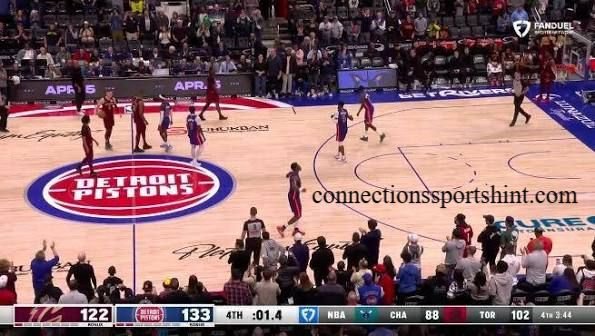
Conclusion
Detroit Pistons vs Cleveland Cavaliers match player stats help basketball fans understand individual contributions, team efficiency, and the important sequences behind a game’s result. A well-prepared breakdown should include verified player statistics, a team comparison, a quarter-by-quarter timeline, and an explanation of the offensive and defensive factors that shaped the matchup. Together, these elements provide a more complete picture than the final score alone.
Accuracy remains essential when publishing NBA game analysis. The supplied figures describe Detroit’s 138–100 victory over Brooklyn on March 10, 2026, rather than a game against Cleveland. Before publishing the Cavaliers-specific statistics, confirm the correct matchup and use its official box score. This simple verification step helps ensure that readers receive relevant information, search engines can better understand the page, and the finished article delivers on its title.
Frequently Asked Questions
Which player scored the most points in the Detroit Pistons vs Cleveland Cavaliers game?
Check the official box score for the specific game to identify the leading scorer for Detroit and Cleveland.
Where can I find Detroit Pistons vs Cleveland Cavaliers match player stats?
The official NBA website, team websites, and established sports-statistics platforms provide game box scores and player performance data.
What statistics matter most in a Pistons vs Cavaliers matchup?
Points, rebounds, assists, shooting percentages, steals, blocks, and turnovers provide a useful overview of individual and team performance.
How can I check the Detroit Pistons vs Cleveland Cavaliers timeline?
Use the official game page’s play-by-play section to review scoring events, quarter-by-quarter action, and important moments.
Who had the most rebounds in the Pistons vs Cavaliers game?
The leading rebounder can be identified by comparing the rebound totals in the official box score for that matchup.
Where can I watch Detroit Pistons vs Cleveland Cavaliers?
Check the official NBA schedule and authorized broadcasters or streaming services for coverage available in your region.
How often do the Detroit Pistons and Cleveland Cavaliers play each other?
They generally meet multiple times during the NBA regular season, with additional meetings possible if they face each other in the playoffs.
Where can I find upcoming Pistons vs Cavaliers results and player stats?
The NBA’s official schedule and game pages provide upcoming fixtures, final scores, box scores, and available game recaps.
Author Name: Hamid Ali
Email: johanharwen314@gmail.com
Also Read: