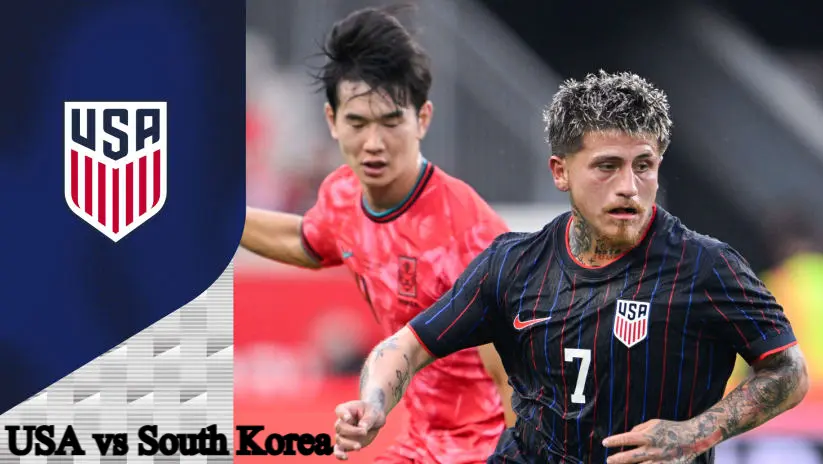
USA vs South Korea: Match Preview
The USA vs South Korea matchup brings together two national teams with very different football identities. The United States has built its reputation around athleticism, pace, and an increasingly technical generation of players, while South Korea is known for its disciplined organization, quick transitions, and technically gifted attackers.
Whenever these two sides meet, the matchup offers an interesting tactical battle. The USA can create problems through speed and aggressive attacking play, while South Korea can punish defensive mistakes with fast counterattacks.
For fans searching for USA vs South Korea, the most important areas to watch are the attacking lineups, midfield battle, defensive organization, and the individual players capable of changing the game.
USA vs South Korea: Key Match Details
| Match Detail | Information |
|---|---|
| Match | USA vs South Korea |
| Competition | To be confirmed |
| Date | Check official fixture |
| Venue | To be confirmed |
| Kickoff Time | Check official fixture |
| Teams | United States vs South Korea |
Note: Match-specific details should be updated from an official competition or federation source once the fixture is confirmed.
USA Team: Players to Watch
The United States has developed a deeper pool of players competing at high levels in domestic and European football.
The team’s biggest strengths can come from pace, physical intensity, and the ability to attack quickly after winning possession.
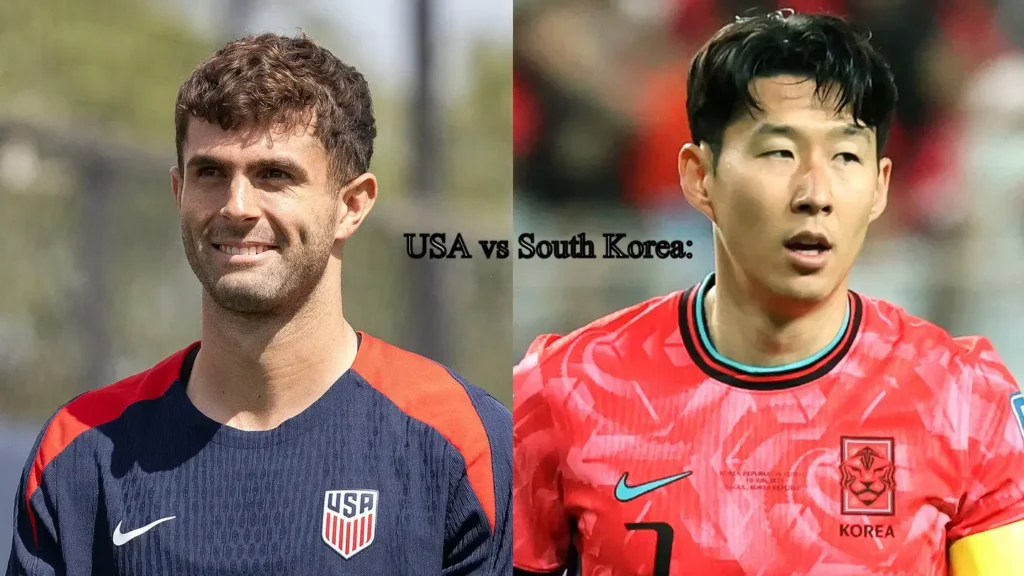
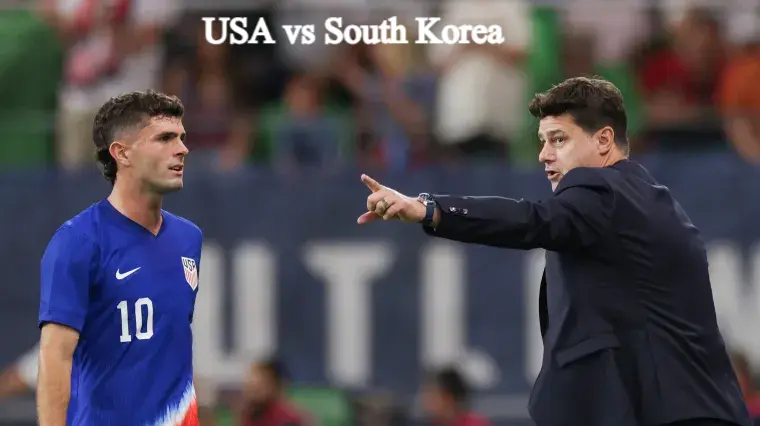
Christian Pulisic
Christian Pulisic is one of the most recognizable American footballers and can provide creativity, goals, and attacking experience.
His ability to operate in wide areas or move centrally makes him an important player to watch in a USA vs South Korea matchup.
Weston McKennie
Weston McKennie can add energy and physical presence to midfield. His ability to contribute defensively while arriving in attacking areas can make him valuable in a competitive international match.
Folarin Balogun
Folarin Balogun offers another attacking option for the USA. His movement and finishing ability can become particularly important if the United States creates opportunities around the penalty area.
South Korea Team: Players to Watch
South Korea possesses a technically strong generation of footballers capable of competing against high-level international opponents.
The team’s attacking threat is particularly interesting because of its ability to transition quickly from defense to attack.
Son Heung-min
Son Heung-min is the standout name in any USA vs South Korea discussion.
His pace, movement, finishing, and experience make him a major attacking threat. If he is available for the fixture, the USA defense will need to pay close attention to his movement in and around the final third.
Lee Kang-in
Lee Kang-in brings creativity and technical quality to South Korea’s attack. His passing and ability to find space can create opportunities against a defense that loses its shape.
Kim Min-jae
Kim Min-jae provides defensive strength and experience. His positioning and ability to deal with physical attackers could be important if the USA applies pressure high up the pitch.
USA vs South Korea Head-to-Head
The USA vs South Korea head-to-head is an interesting area for football fans because previous meetings can provide context, but historical results should not be treated as a guarantee of the next result.
International football changes quickly. Player generations, coaches, tactical systems, injuries, and home advantage can all affect the outcome.
For that reason, the latest confirmed head-to-head record should be checked before publishing match-specific statistics.
USA vs South Korea Tactical Battle
The tactical battle could be one of the most important aspects of the matchup.
How the USA Could Play
The United States may look to use its pace and athleticism to move the ball quickly into attacking areas.
A high-intensity approach could allow the USA to win possession higher up the field and create chances before South Korea can establish its defensive shape.
How South Korea Could Respond
South Korea can use quick combinations and transitions to exploit space behind an aggressive American defense.
If the USA commits too many players forward, South Korea’s attackers could look to take advantage of open spaces during counterattacks.
USA vs South Korea: Key Battle Areas
Midfield
Control of midfield could determine which team dictates the tempo.
The USA will want to combine physical intensity with quick passing, while South Korea can look to use technical quality and movement to escape pressure.
Wide Areas
The flanks could provide another major advantage.
The USA’s pace can create one-on-one situations, while South Korea’s attackers can use intelligent movement to pull defenders out of position.
Defensive Transitions
Neither team will want to give away easy opportunities after losing possession.
Quick defensive transitions could therefore become one of the decisive factors.
USA vs South Korea Predicted Lineups
Because confirmed squad selections and match-specific team news are not provided in the source material, a definitive predicted lineup should not be presented as fact.
Before publishing this section, update it using the latest official squad announcement and injury news.
A useful lineup section can be formatted like this:
USA: Goalkeeper; defenders; midfielders; forwards.
South Korea: Goalkeeper; defenders; midfielders; forwards.
This approach also makes the article easy to update shortly before kickoff. espn.com
USA vs South Korea: Strengths and Weaknesses
| USA | South Korea |
|---|---|
| Athleticism | Technical ability |
| Pace | Quick transitions |
| Attacking depth | Creative attackers |
| Physical midfield | Tactical organization |
| Increasing international experience | Strong attacking movement |
The matchup could ultimately come down to which team is better able to impose its strengths while limiting the opponent’s biggest threats.
Who Has the Advantage?
It is difficult to identify a clear winner without confirmed information about the competition, venue, squads, injuries, and starting lineups.
The USA could have an advantage if it controls possession and uses its pace effectively in wide areas.
South Korea could have the edge if it remains compact and creates counterattacking opportunities for its most dangerous forwards.
The final prediction should therefore be updated once the confirmed lineups and latest team news are available.
USA vs South Korea Prediction
The USA vs South Korea prediction is likely to attract significant search interest before kickoff.
Rather than relying only on historical results, a strong prediction should consider:
- Recent team form
- Confirmed lineups
- Player availability
- Home advantage
- Head-to-head record
- Recent goals scored and conceded
- Tactical approach
- Key player performances
With both teams possessing attacking quality, the matchup has the potential to be closely contested.
Where to Watch USA vs South Korea
Broadcast rights can vary depending on the country and competition.
Fans should check the official competition broadcaster, the U.S. Soccer Federation, the Korea Football Association, or an authorized local broadcaster for the latest USA vs South Korea live stream and TV coverage.
Avoid relying on unofficial streaming websites, particularly when broadcast rights change shortly before kickoff.
USA vs South Korea: What Could Decide the Match?
Several factors could determine the result:
1. Finishing:
The team that converts its best chances could gain the decisive advantage.
2. Midfield control:
Winning the midfield battle can determine possession and attacking opportunities.
3. Defensive transitions:
Both teams must prevent dangerous counterattacks.
4. Key players:
Individual performances from attacking stars could change the game.
5. Set pieces:
Corners and free kicks can become decisive in a closely matched international fixture.
Frequently Asked Questions
Who are the key players in USA vs South Korea?
Christian Pulisic and Weston McKennie are important names for the USA, while Son Heung-min, Lee Kang-in, and Kim Min-jae are among the notable South Korean players to watch.
Is USA vs South Korea a football match?
Yes, the phrase USA vs South Korea can refer to a football/soccer matchup between the two national teams. The specific competition should be confirmed for the fixture being covered.
Who is the biggest star in USA vs South Korea?
Son Heung-min is one of the biggest stars associated with the matchup, while Christian Pulisic is a leading American attacking player.
Where can I watch USA vs South Korea?
Broadcast availability depends on the competition and country. Check official broadcasters and the relevant football federation for confirmed TV and streaming information.
Who will win USA vs South Korea?
A reliable prediction requires the latest form, confirmed squads, injuries, venue, and starting lineups. Historical performance alone is not enough to guarantee a winner.
Final Thoughts
The USA vs South Korea matchup offers an intriguing clash between two international teams with different football styles.
The USA can rely on pace, athleticism, attacking depth, and individual quality, while South Korea brings technical ability, tactical organization, and dangerous attacking transitions.
For fans, the biggest storylines will be the confirmed lineups, key player battles, tactical approach, and which team can control the decisive moments.
As kickoff approaches, updating this page with official match details, team news, lineups, head-to-head statistics, and broadcast information will make it more useful for readers searching for the latest USA vs South Korea information.
Also Read
Where to Watch Phillies vs Dodgers
Ashton Jeanty 40 Time
RCD Mallorca vs FC Barcelona Lineups
Email: johanharwen314@gmail.com
Author Name: Hamid Ali